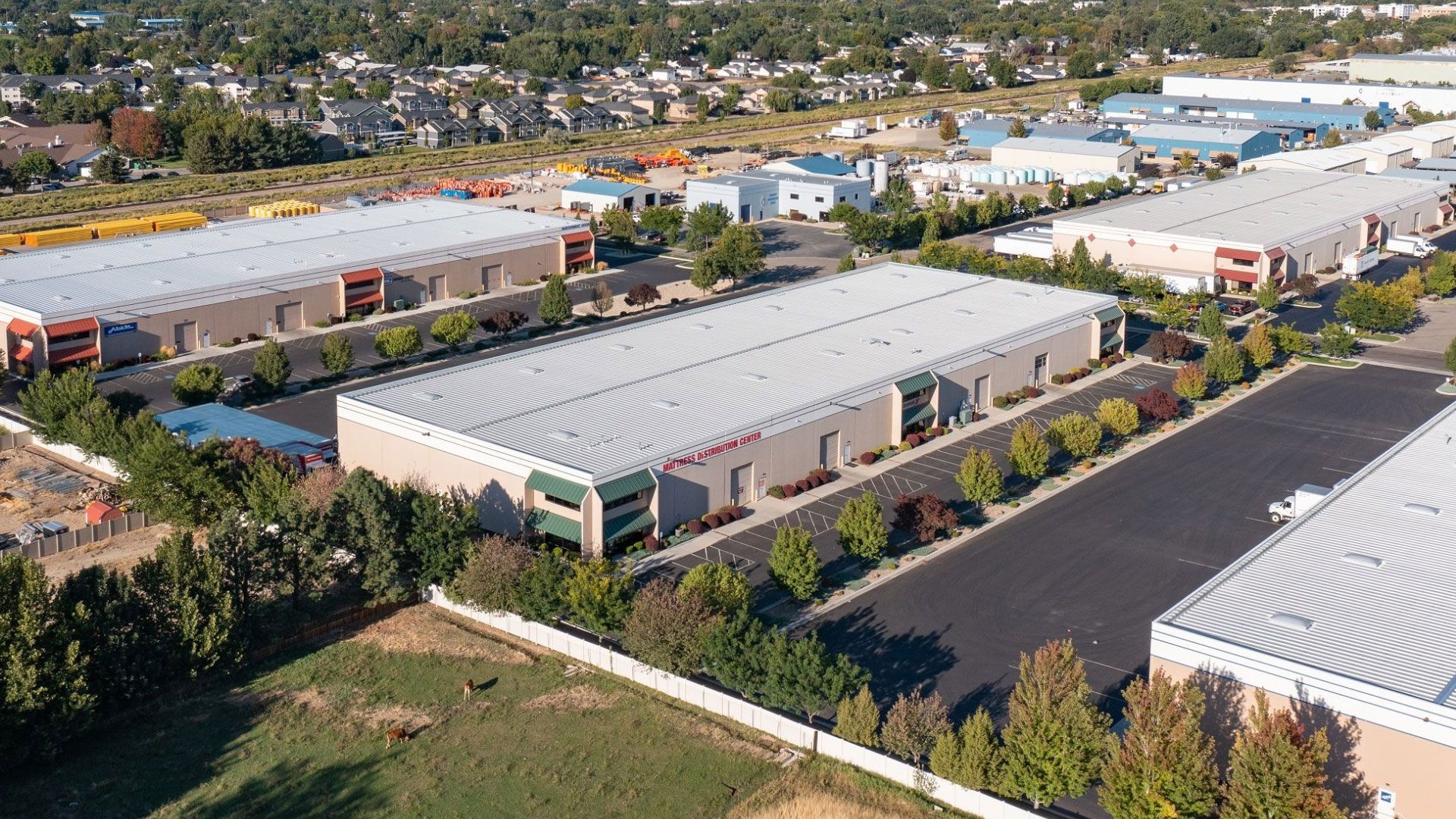
Independent QA inspection during another contractor's commercial roof installation in Birmingham - seam probe testing, flashing detail verification, fastener pattern audit, and documented findings for warranty inspection support. The work focuses on field observations, photos, priorities, and documentation that helps teams make decisions without losing context.
What We Inspect and How
Seam integrity: We run probe testing on a representative sample of heat-welded seams — minimum one probe per 500 linear feet of seam, plus every seam in a flashing transition zone, every seam within 12 inches of a penetration, and every T-junction. Probe testing catches cold welds that pass visual inspection. On a 100,000 sq ft Birmingham TPO installation, we typically test 800–1,200 linear feet of seam.
Flashing details: Parapet walls, pipe penetrations, drains, equipment curbs, and expansion joints — we photograph each one against the manufacturer's published detail drawing. Birmingham buildings face elevated flashing stress from freeze-thaw cycling at pipe boots and parapet terminations, and from thermal expansion at expansion joints on older construction downtown and in the Southside corridor. Missing or undersized flashing dimensions are the single most common warranty-jeopardizing finding in Birmingham commercial TPO inspections.
Fastener pattern: For mechanically attached systems, we pull a sample inspection of fastener pattern at the field, perimeter, and corner zones and verify spacing against the approved wind-uplift design for the building's IBC exposure category. Corner and perimeter zones require higher fastener density than the field; pattern errors at these zones are a consistent finding in Jefferson County commercial projects given the county's tornado-track wind-uplift exposure.
Cover board and insulation: Where accessible at penetrations, drains, or inspection ports, we verify that the insulation stack matches the specification — polyiso type and thickness, cover board type, and fastener pattern through the insulation. HD cover board substituted with standard-density material is the most common material substitution in Birmingham hail-exposure projects and is undetectable after membrane installation.
Manufacturer Warranty Inspection Support
Major manufacturer NDL warranty inspections in the Birmingham market are conducted by the manufacturer's field rep or factory-credentialed inspector. These inspections produce a punch list of conditions that must be corrected before the warranty is issued, with a correction window that typically runs 30–90 days after the inspection depending on the manufacturer.
We support owner and general contractor teams through manufacturer warranty inspections two ways: pre-inspection, we walk the roof and identify probable punch-list items so the installing contractor can correct them before the manufacturer's inspector arrives; post-inspection, we scope and manage the remediation the punch list requires, then submit completion documentation to the manufacturer's warranty desk.
The conditions manufacturers most commonly flag in Birmingham inspections — freeze-thaw-exposed flashing details at pipe boots and parapet terminations, drain ring under-torque at TPO systems, short seam legs at penetrations, and cover board conditions at hail-impact areas — are all detectable before the manufacturer inspection and correctable in less than a day of crew time on most projects. Finding them before the inspector arrives shortens the punch list and accelerates warranty issuance.
Report Format and Deliverable
Every third-party QA inspection delivers a written report within five business days of the field visit. The report includes: executive summary (overall installation quality assessment and count of warranty-jeopardizing versus specification-deviation versus observation findings), roof zone diagram with all findings keyed by number, a finding-by-finding detail section (photograph, location, description, applicable specification or manufacturer requirement, recommended corrective action), and a findings matrix spreadsheet sortable by zone, finding category, and priority.
The format is designed to function as a contractor correction-required list. The installing contractor can pull the findings matrix, assign items to crew, and return completion documentation for each item. For owners retaining us for warranty inspection support, the same report serves as the basis for pre-inspection corrections and for the post-inspection remediation scope if a manufacturer punch list is issued.
Frequently asked questions
Can you inspect a roof installation that is already complete?
Yes, but with reduced utility. The highest-value inspection window is during installation — before the membrane covers the insulation, while seams and flashings are still accessible for probe testing. Post-completion inspection can still surface visible deficiencies and test accessible seams and flashings, but conditions covered by completed membrane cannot be assessed without destructive investigation.
Do you share findings with the installing contractor directly?
That is the owner's decision. We deliver the report to the owner or general contractor who retained us. The owner decides whether to share the report directly with the installing contractor, use it as the basis for a formal correction-required notice, or hold it for warranty inspection support. We do not communicate findings to the installing contractor without explicit authorization from the owner.
How does Birmingham's hail exposure affect what you look for in an inspection?
Jefferson County hail events produce stones in the 1.5-inch to 2.5-inch range in typical spring seasons. We pay particular attention to cover board type and density — standard-density polyiso compressed by hail impact creates a membrane bridging condition that leads to eventual membrane cracking at the impact area. We also inspect for any hail-related membrane impact marks that occurred between installation and our field visit, document them in the report, and note whether they rise to a warranty-notification threshold.
How long does a QA inspection take on a 100,000 sq ft Birmingham commercial roof?
Full seam probe testing, flashing detail inspection, fastener pattern verification, and zone-by-zone documentation: approximately one full day on-site for a 100,000 sq ft roof. Buildings with heavy equipment density, multiple roof levels, or complex parapet configurations take longer. We provide a time estimate after reviewing the project documentation before scheduling.