Commercial roof repair in Birmingham with leak investigation, documented repair boundaries, emergency stabilization, and planned corrective work. The work is planned around roof access, active building use, drainage, membrane condition, and the owner's timeline for repair, maintenance, or capital work.
Leak Investigation Before Any Repair Work
We do not start repair work until we know where the water entered the building. On roofs under 15,000 sq ft, we conduct a systematic visual investigation of every penetration, seam, parapet, curb, and drain in the area above the ceiling damage. On larger roofs or roofs where the damage area does not obviously correlate to a visible failure, we use infrared thermal imaging — the camera identifies wet insulation by its different thermal signature as the roof cools at dusk, giving us a map of saturated areas that tracks the leak path.
The investigation report documents every identified entry point, every contributing condition (standing water, clogged drains, cracked termination bar, failed pipe boot), and every at-risk detail that is not yet actively leaking but will fail at the next weather event. The repair scope is written against the investigation, not against the visible ceiling stain.
This matters especially on Birmingham's older commercial buildings in the Avondale warehouse corridor and the Highland Park mixed-use district — buildings where the original roof was installed 30 or more years ago and may have had multiple prior repairs that were never properly integrated. On these buildings, the investigation often finds three or four failure points contributing to what looks like a single leak.
What We Repair — Common Failure Types
Seam failure: On TPO and PVC roofs, seams are heat-welded. Cold welds from original installation, seam stress from thermal cycling, and UV degradation at seam edges all produce seam failures that show up as linear water infiltration along the seam track. We re-weld or fully re-seam the failed section and probe-test every linear foot before closing out.
Parapet flashing failure: Parapet wall flashings are the highest-failure detail on Birmingham commercial roofs because they receive both UV degradation from the face and thermal movement stress from the wall. Coping cap failure, termination bar failure, and flashing membrane delamination all allow water to enter behind the flashing and migrate under the membrane. We repair to manufacturer spec — not a temporary patch — because insurance documentation often requires a repair that meets the manufacturer's standard.
Drain failure and ponding water: Clogged, collapsed, or undersized drains back water under the membrane edge at the drain collar. We clear blocked drains, re-seat drain collars that have shifted or separated, replace damaged drain bodies, and — on buildings in the UAB Medical District and the 5 Points South corridor where roof-to-drain grades are minimal — evaluate whether additional drains or drain retrofits are needed to eliminate chronic ponding.
Pipe boot and penetration failure: Every pipe, conduit, vent, and equipment curb penetration is a potential water entry point. Pre-formed pipe boots crack with age and freeze-thaw cycling. Pitch pans — the old-style penetration treatment common on Birmingham's older modified bitumen roofs — dry out and crack. We replace failed boots and pitch pans with manufacturer-spec pre-formed flexible boots that handle Birmingham's freeze-thaw cycle without cracking.
Repair Documentation and Warranty Compatibility
Repairs on roofs that are still within a manufacturer NDL warranty period must be performed to manufacturer-specified methods and documented to the manufacturer's standard — or the repair can void the remaining warranty. We know which repairs require manufacturer notification and which are within the scope of routine maintenance.
At repair closeout, we deliver a written repair report that documents the identified failure points, the repair method used for each, the materials installed, and the before-and-after photographic record keyed to the roof zone diagram. This documentation serves as the warranty-maintenance record the manufacturer requires to keep NDL coverage active, and it gives the building owner a documented repair history that has value at property disposition.
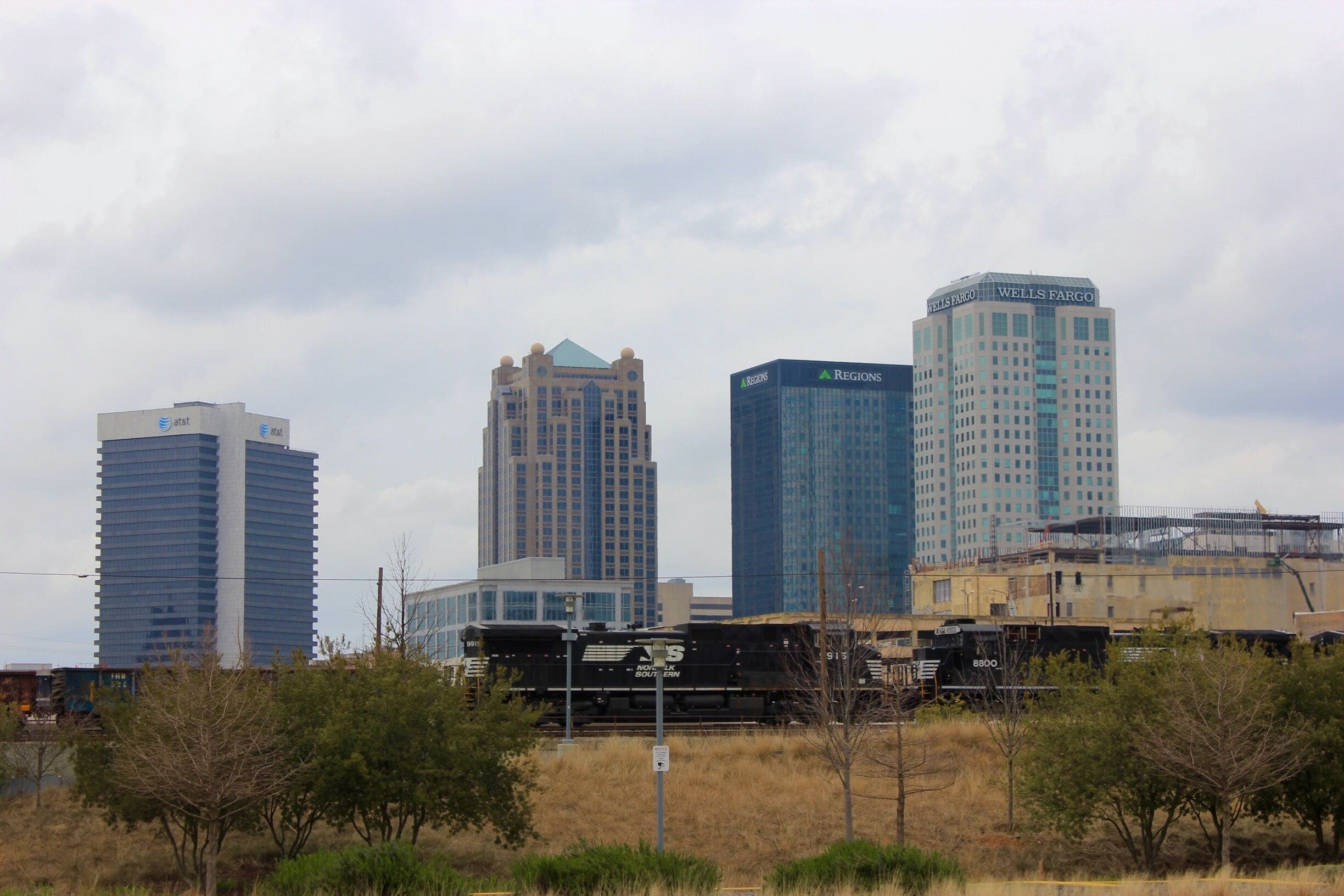
For buildings near the Regions Financial HQ and Protective Life HQ corridors in downtown Birmingham where roof condition documentation feeds into property management reporting, we deliver the repair report in whatever format the property management system requires — not just a handwritten receipt.
Frequently asked questions
How soon can you respond to an active roof leak in Birmingham?
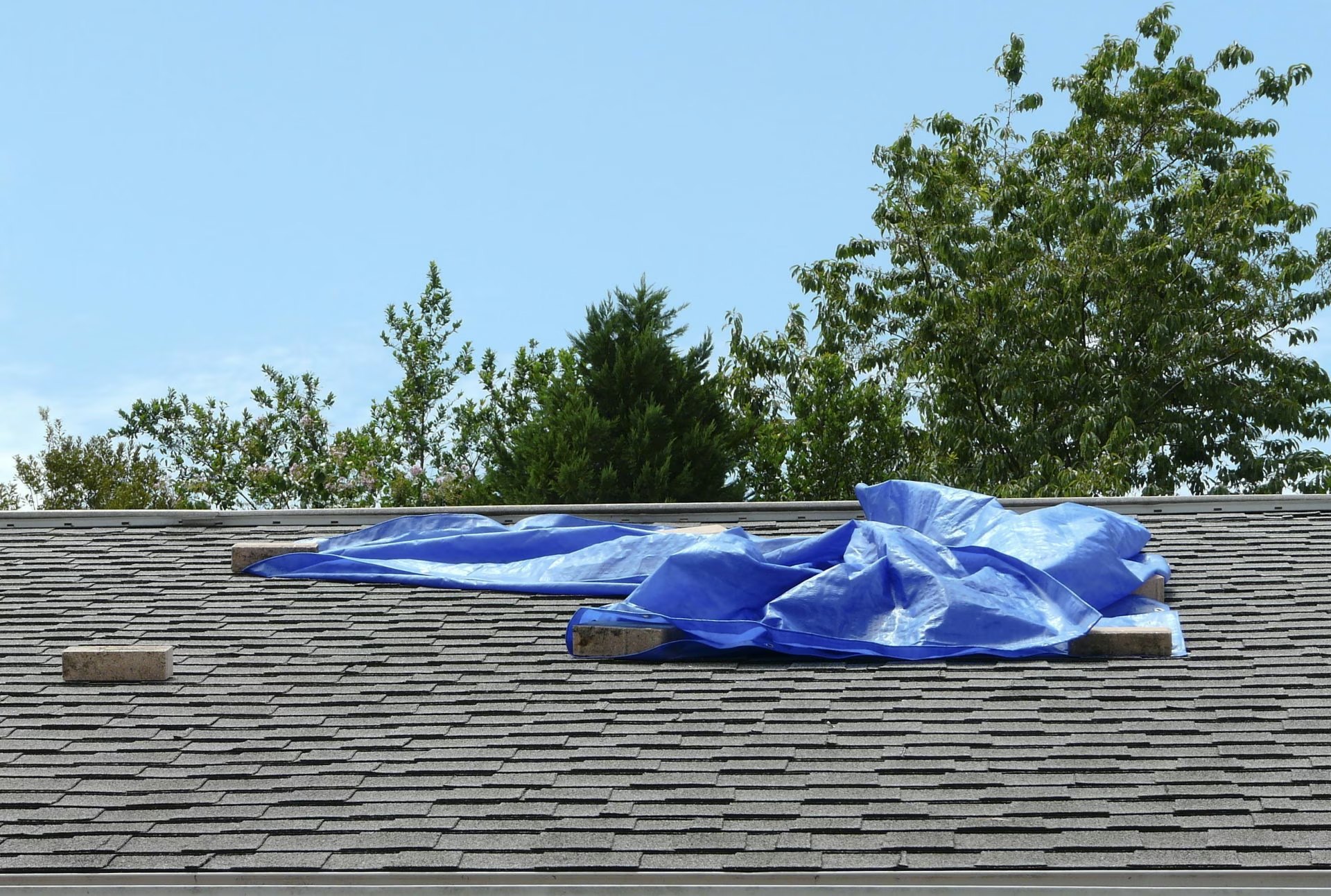
Downtown, UAB Medical District, and 5 Points South calls get a crew on-site within four business hours for emergency dry-in. Homewood, Mountain Brook, Vestavia Hills, Avondale, and Lakeview are same-day. Hoover, Pelham, Trussville, and the outer Jefferson County corridor are next-day at the latest. After-hours response is available for buildings on our maintenance contracts.
Will a repair void my existing manufacturer warranty?
A repair performed to manufacturer-specified methods by a qualified contractor does not void the warranty — in fact, documented repair is what the warranty requires to stay active. A repair performed with incompatible materials or undocumented methods can void it. We know the difference and carry the required manufacturer credentials for the systems we work on.
How do I know the repair actually fixed the leak?
After every repair, we conduct a water test on the repaired area — either a hose flood test or a water-probe test depending on the repair type. The test result is documented in the repair report. We do not call a repair complete until we have positive confirmation that the water entry point has been eliminated.
What is the difference between a repair and a full replacement?
If less than 25% of the roof has saturated insulation (confirmed by moisture core pulls), repair or recover is a viable scope that can extend asset life 10 to 15 years at substantially lower capital cost than replacement. If saturation is widespread or the deck is compromised, replacement becomes the correct scope. We will tell you which applies to your building after the investigation — not before, and not based on which scope is more profitable for us.