Commercial roofing for Birmingham-area energy and utility facilities - Alabama Power, Southern Company, Energen - with safety protocol compliance, critical infrastructure sequencing, and heavy-environment system specifications. We shape roof recommendations around access limitations, equipment exposure, scheduling windows, and the records the ownership team needs.
Safety Protocol Compliance for Energy Facilities
Alabama Power and Southern Company maintain contractor safety programs that require pre-qualification, safety orientation, and ongoing compliance documentation for any contractor accessing their facilities. The pre-qualification process typically includes review of the contractor's OSHA incident rate, safety program documentation, insurance verification, and business licensing. We maintain all required documentation and have completed energy sector contractor pre-qualification processes in Birmingham.
Hot-work permits at energy facilities carry additional requirements beyond what standard commercial or government projects impose. In facilities adjacent to transmission infrastructure, switchgear, or other high-voltage equipment, hot-work permits may require coordination with the facility's safety officer, lockout-tagout documentation for nearby equipment, and a fire watch protocol more rigorous than the NFPA 51B standard. We follow the facility's specific hot-work protocol — not our standard commercial hot-work procedure — at every energy facility project.
Electrical proximity is a specific hazard at Alabama Power operational facilities that does not exist at most commercial buildings. Rooftop work that brings crew members or equipment in proximity to transmission lines, distribution equipment, or building-integrated electrical infrastructure requires approach distance management that goes beyond standard electrical safety. We assess electrical proximity hazards during the pre-construction site walk and build approach distance management into the production plan before mobilization.
Operational Continuity at Energy Infrastructure Buildings
Alabama Power's district operations centers and transmission support facilities operate continuously — they are not standard business-hours facilities with a predictable occupancy pattern. Rooftop HVAC systems serving these facilities serve computer rooms, dispatch centers, and monitoring environments that require continuous climate control. We coordinate every HVAC penetration with the facility's operations manager and schedule work around the facility's maintenance windows rather than during peak operational periods.
Communications infrastructure on energy facility rooftops — antenna mounts, microwave relay equipment, fiber pathway penetrations — must remain in continuous service throughout any roofing project. A rooftop communications failure at an Alabama Power operations center is not a property maintenance issue; it is an operational reliability event. We inventory every communications penetration before production begins, treat each one as a non-interruptible detail, and work around antenna infrastructure rather than through it.
Generator infrastructure at Alabama Power administrative and operational buildings serves emergency power requirements that cannot be interrupted during production. We document the location of generator fuel fill points, exhaust stacks, and transfer switch penetrations on the roof before production begins and work those details with the same scrutiny we apply to data center generator infrastructure — because the operational consequence of a moisture intrusion into generator or transfer switch infrastructure is similar.
Heavy-Environment Roof Systems for Energy Facilities
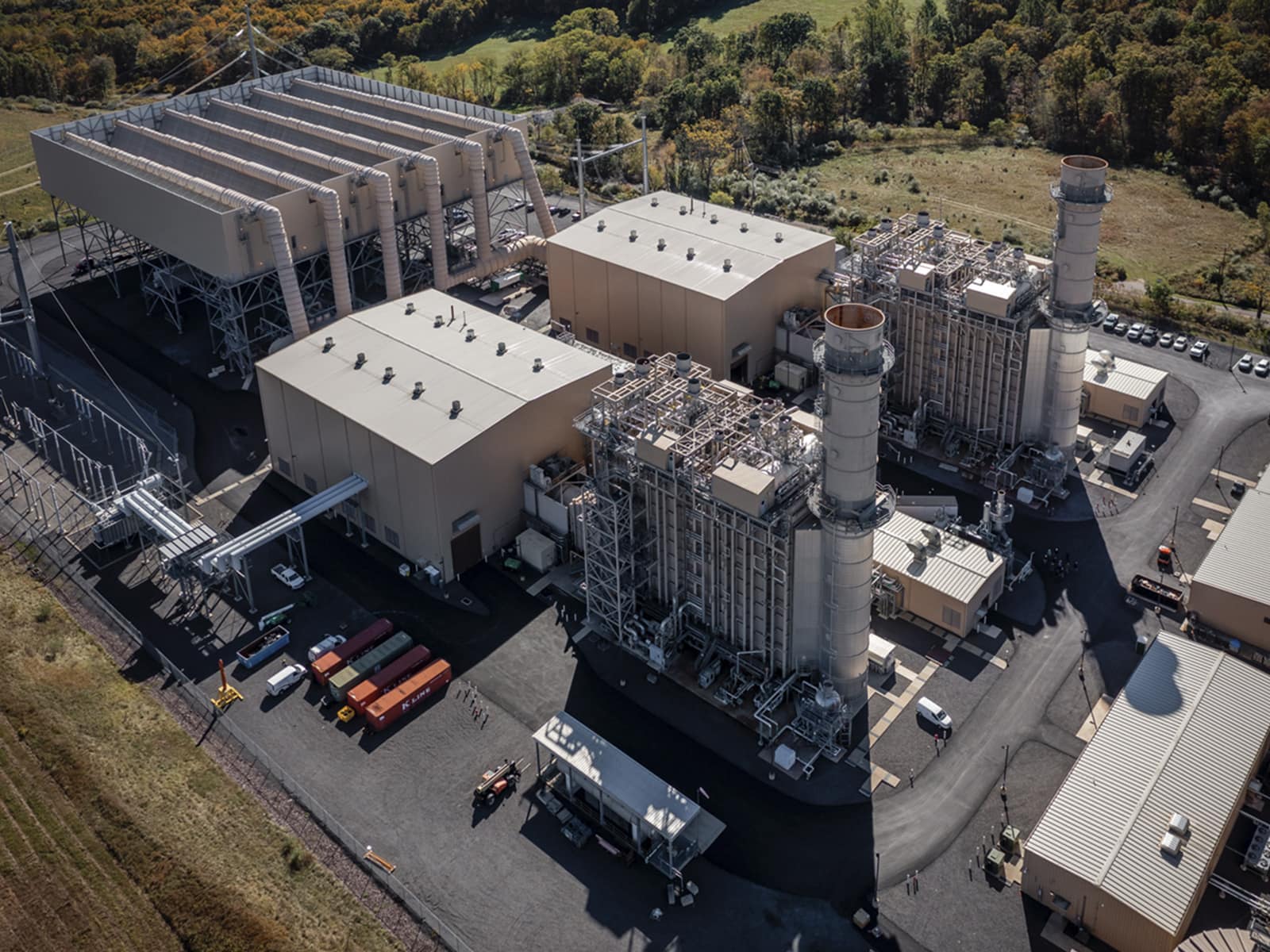
Alabama Power's physical plant support facilities and the operational buildings associated with power generation and distribution carry rooftop environments that are more demanding than standard commercial buildings. Transformer cooling fans, electrical equipment ventilation, and chemical storage vent stacks all create localized chemical or thermal exposure at the flashing interface that requires material selection beyond standard TPO or EPDM. We assess each penetration environment during the roof walk and specify flashing materials appropriate to the thermal and chemical exposure condition.
Energen's legacy operational infrastructure in Birmingham — now part of Diamondback Energy's southeast footprint — includes facilities that were originally designed for the oil and gas industry's operating environment. These buildings may carry hydrocarbon exposure, chemical exhaust, and heavy mechanical traffic that is not present in standard commercial buildings. We assess the specific environmental history of every energy sector building we scope before specifying the replacement system.
Birmingham's tornado exposure is a particular concern for energy sector facilities because a utility operations building that loses its roof in a severe weather event affects not just the building but the utility's ability to respond to the widespread outage that the same storm causes. We design fastener patterns for Alabama Power and other energy sector facilities in Jefferson County against the documented worst-case wind exposure for the county — not the minimum code assumption — because the operational consequence of a roof failure during a severe weather event at an energy facility is categorically different from a failure at a standard commercial building.
Frequently asked questions
Can you 65; color: #333;">Yes. We maintain the documentation that utility contractor pre-qualification programs require: OSHA incident rate records, written safety program documentation, insurance certificates at required limits, Alabama General Contractor license, and crew safety training records. We have completed utility contractor pre-qualification processes in Alabama and maintain current qualification status for energy sector work.
How do you handle hot-work permits at Alabama Power facilities?
We follow the facility's specific hot-work protocol, which at energy facilities may include lockout-tagout coordination for nearby electrical equipment, an enhanced fire watch protocol, and coordination with the facility's safety officer for each day's hot-work activities. We do not apply our standard commercial hot-work procedure at energy sector facilities without first confirming it meets the facility's specific requirements.
Can you work on a rooftop that carries active communications antenna or microwave relay equipment?
Yes. We inventory all communications infrastructure before production begins, treat each antenna mount and associated penetration as a non-interruptible detail, and work around communications equipment rather than through it. We do not disturb any communications penetration without written confirmation from the facility's operations team that the equipment can tolerate the specific work activity.
Do you work on energy sector facilities beyond Alabama Power's administrative headquarters in downtown Birmingham?
Yes. We work on the full range of Alabama Power and energy sector facility types in the Jefferson County market — district operations centers, transmission support buildings, meter reading and dispatch facilities, and the physical plant support buildings associated with energy infrastructure. We assess each facility type on its own operational and environmental terms before presenting a scope.