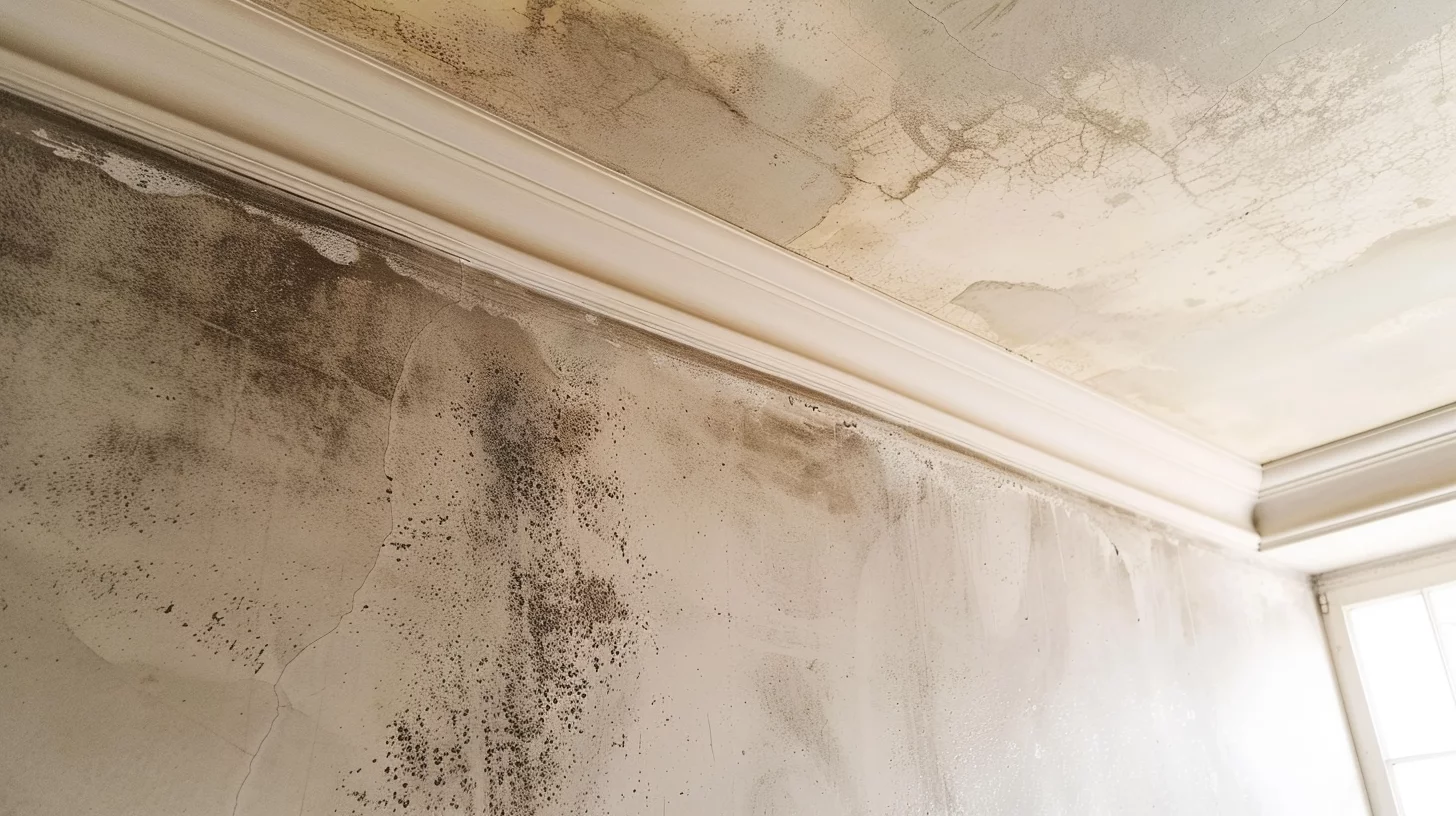
Humidity and moisture damage roof repair in Birmingham, AL. We diagnose trapped moisture, blistering, ridging, and saturated insulation from interior humidity and failed vapor barriers, then fix the source. The work is planned around roof access, active building use, drainage, membrane condition, and the owner's timeline for repair, maintenance, or capital work.
Humidity and Moisture Damage Roof Repair in Birmingham
Not every roof leak comes from rain. On a lot of Birmingham commercial buildings, the water damaging the roof assembly is rising up from inside the building, driven by humidity that finds its way into the roof from below. This is a different problem than a hole in the membrane, and it gets misdiagnosed constantly. A crew patches the surface, the symptoms come back, and everyone is confused because the membrane looks fine. We specialize in finding and fixing this kind of internal-moisture damage, the slow, quiet failure that happens between the ceiling deck and the roof surface.
Birmingham's climate sets the stage for it. Long, humid summers load the air inside warehouses, laundries, food production plants, and any building with wet processes with far more water vapor than the cooler air above the roof can hold. When that vapor reaches a cold surface inside the roof assembly, it condenses. Do that day after day through an Alabama summer and you are effectively raining inside your own roof, with no storm required.
How Interior Humidity Wrecks a Roof From the Inside
The mechanism is straightforward once you see it. Warm, humid interior air wants to move toward the cooler, drier air outside. If the building's vapor barrier is missing, torn, or was never detailed correctly, that moist air pushes up into the insulation and decking. As it cools on its way to the surface, the vapor condenses into liquid water inside the assembly. Over a season, that water saturates insulation, corrodes metal deck, rots wood, and degrades the bond between the layers of the roof, all while the membrane on top remains unbroken and the source of the problem stays hidden.
We see this pattern most in Birmingham buildings with high interior moisture loads: distribution and cold-storage facilities in the Oxmoor Valley and along the I-65 industrial belt toward Pelham, food and beverage production around the older industrial districts near Avondale and the rail corridor, and commercial laundries and kitchens scattered through the metro. Anywhere a process puts water vapor into the air, and the roof was not built to manage it, the assembly pays the price.
The Signs We Look For
- Blistering: raised bubbles in the membrane where moisture or vapor trapped underneath expands as the roof heats up, pushing the surface up off the layers below
- Ridging: long raised lines, often over insulation joints, where trapped moisture and movement have buckled the membrane upward
- Saturated insulation: soft, heavy, waterlogged board that has lost its R-value and no longer supports the membrane the way it should
- Interior staining without a storm: discoloration on ceilings and deck that appears or worsens in humid weather rather than after rain
- Corrosion on the underside: rust on a metal deck or fasteners, a sure sign condensation is forming inside the assembly
Diagnosing the Real Source
The most important step in this work is also the one most often skipped: figuring out where the water is actually coming from before touching the roof. A humidity-driven failure and a rain leak can look identical from inside the building, but the fixes are opposite. Patch a condensation problem as if it were a rain leak and you have wasted money and the damage keeps spreading. We start by reading the building, not just the roof. What happens inside it? Is there a process putting moisture in the air? Does the staining track the weather or the seasons? Is there a vapor barrier, and is it intact?
From there we use moisture detection to map the wet areas inside the assembly rather than guessing at their edges. Infrared and other moisture-survey methods show where insulation is saturated, which tells us both the extent of the damage and, read alongside the building's interior conditions, whether the water came from above or below. On a large Birmingham warehouse roof, this mapping is the difference between replacing the few wet sections and needlessly tearing off acres of roof that is still dry.
Trapped Moisture Does Not Dry Out on Its Own
Once water is sealed inside a roof assembly, it stays there. The membrane that is supposed to keep rain out works just as well at keeping trapped moisture in. Wet insulation does not recover its insulating value, and it keeps feeding corrosion and rot underneath the surface for as long as it sits there. That is why surface patching fails on these jobs. You have to physically remove the saturated material and address why the moisture got in, or the failure simply continues under a fresh patch.
How We Repair Humidity Damage
Our repairs follow what the diagnosis tells us. Where insulation is saturated, we cut out the wet board down to a sound, dry substrate, let the area dry or dry it actively, and rebuild the assembly with new insulation and membrane tied cleanly into the surrounding roof. Blisters and ridges get cut open, evaluated for what is underneath, and rebuilt so the repair is bonded rather than just covered. Where a metal deck has begun to corrode, we assess whether it can be cleaned and saved or needs replacement before anything new goes on top.
The repair that lasts, though, is the one that fixes the cause. If the real problem is interior humidity pushing into the roof, the long-term answer involves controlling that vapor: restoring or installing a proper vapor barrier or retarder, improving how the building handles moisture-heavy processes, and detailing the assembly so warm wet air can no longer reach a cold condensing surface inside the roof. We walk Birmingham owners through both halves, the immediate repair and the underlying fix, so we are not back next summer cutting out the same wet insulation a few feet over.
Stopping It From Coming Back
Humidity damage is gradual, which means it is also catchable. Buildings with high interior moisture loads benefit from regular roof assessments that include moisture scanning, so saturated areas are found and removed while they are small and contained. We help facility teams across Jefferson County set up that kind of monitoring, especially on production and storage buildings where the interior environment makes the roof assembly vulnerable year after year. Catching a wet spot at a few square feet is a repair. Letting it spread across the building through a Birmingham summer is a replacement.
Get the Diagnosis Right
If your Birmingham building has stains that follow the humid season, blistering or ridging in the membrane, or insulation that feels wet underfoot, the cause may be inside the building rather than the weather. We will read the whole assembly, map the moisture, identify whether the water is coming from above or below, and build a repair that addresses the actual source instead of the symptom. Reach out and we will get to the bottom of it before the damage spreads any further.