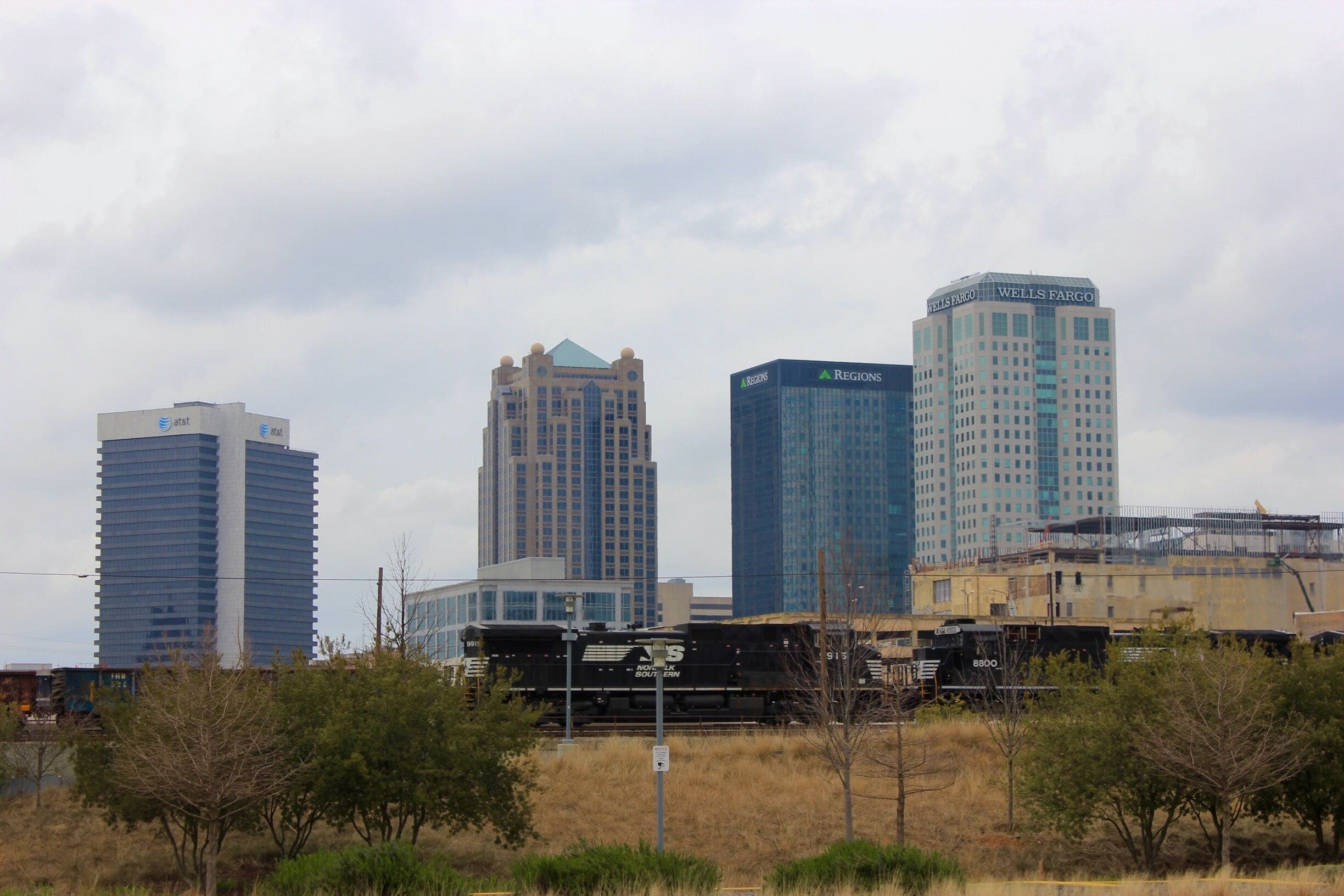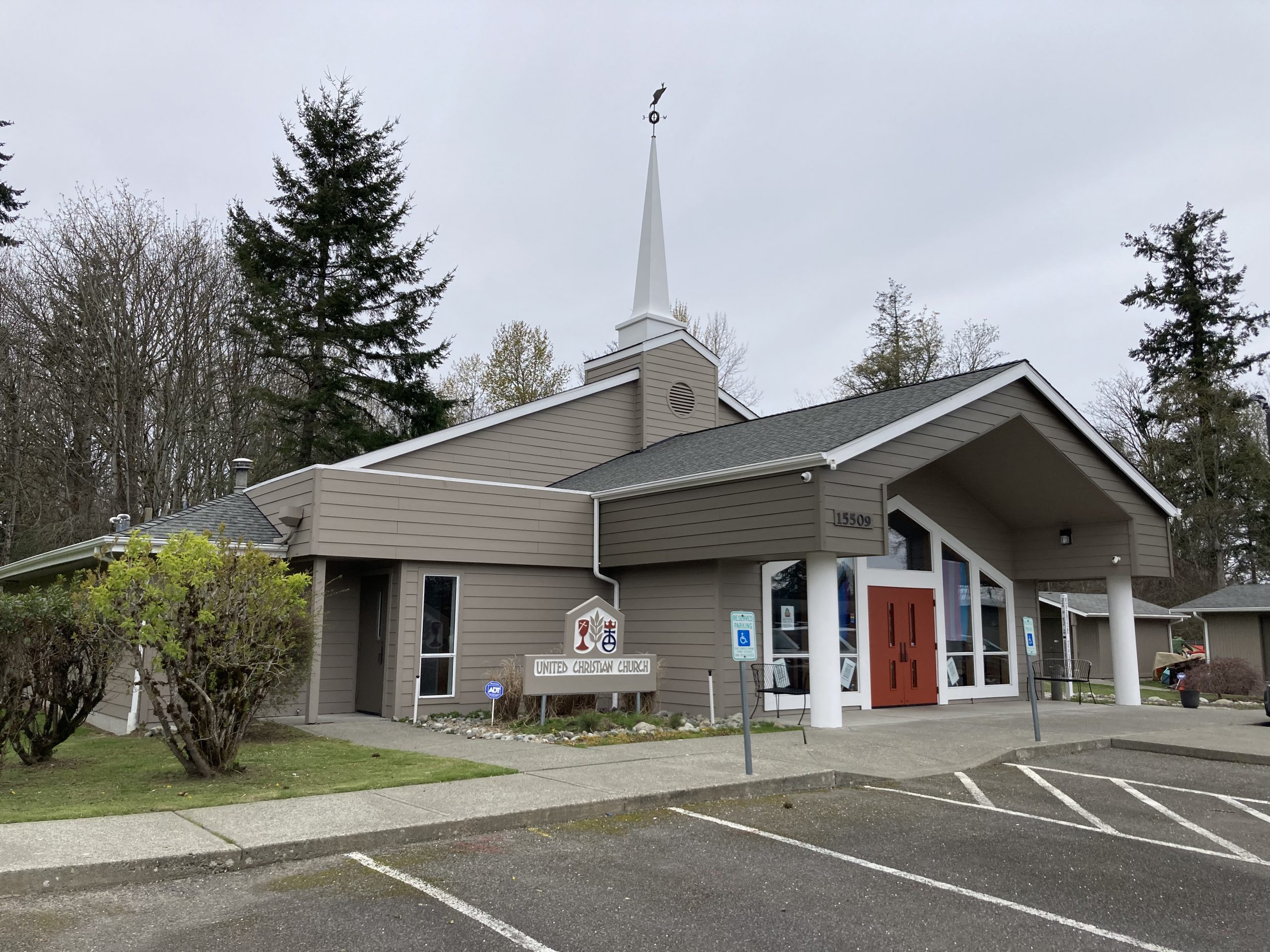
Commercial roof replacement and repair for Birmingham churches, mosques, synagogues, and worship facilities - flat-roof annexes, fellowship halls, and education wings across Jefferson County with capital planning support and NDL warranty closeout. The plan is tailored to hours of operation, occupants, deliveries, rooftop equipment, interior sensitivity, and the owner's budget horizon.
Campus Complexity and Building-by-Building Prioritization
Large Birmingham suburban church campuses — the kind of multi-building facilities common in the Hoover, Pelham, and Trussville growth corridors — often have six to ten individual buildings on a single campus, each with its own roof system, age, and condition. The sanctuary building may be in adequate condition while the education wing, gymnasium, and detached fellowship hall are all approaching or past their warranty life. We conduct a building-by-building condition assessment and priority ranking that gives the facilities committee a capital roadmap — not a single-building scope that ignores the broader campus picture.
The condition assessment documents each building's membrane type, estimated remaining life, current failure modes, and the capital cost band for replacement or recover. This documentation is designed to support the committee's budget conversation with the congregation — it gives them accurate numbers and a prioritized sequence, not a vague estimate.
For downtown Birmingham historic church annexes and fellowship halls — buildings that may be adjacent to or structurally connected to a historic sanctuary — we assess the roof scope carefully for any interaction with the historic structure. Anchor points, parapet heights, and membrane terminations that touch the historic building require details that are compatible with the preservation status.
Production Scheduling Around Worship and Event Calendars
Religious buildings operate on a worship calendar that drives the production schedule in ways that office or retail calendars do not. Production cannot create noise or disruption during Sunday services, Wednesday programming, holiday observances, or major community events. We collect the full worship and events calendar for the year before we write the production schedule and we build around it — not around what is most convenient for our crew.
For church buildings used for community events — food pantries, school partnerships, community meetings — we identify every scheduled event in the production window and ensure that the staging footprint and noise profile do not conflict. Church campuses in Birmingham's Ensley, Avondale, and north Birmingham communities often host community services that run daily, and we plan production to preserve access to those services throughout the project.
Summer production on Birmingham church campuses typically takes advantage of reduced weekday programming. We schedule the most intrusive phases — tear-off and mechanical equipment work — during summer weekdays when programming in education wings is minimal, and we target completion before the fall semester programming resumes.
Capital Planning and Financing Support
Many Birmingham congregations address a major roof replacement through a capital campaign or a capital reserve draw that requires board authorization and member communication. We can provide a formal scope document, a capital budget with phasing options, and a written project narrative designed to support the committee's presentation to the congregation or governing board.
Phased replacement is a viable option for large campus roofs when the full replacement budget is not available in a single cycle. We can scope phase one — typically the highest-priority building or the buildings with active leak history — and document the subsequent phases so the congregation has a multi-year capital roadmap with accurate cost estimates for each phase.
Frequently asked questions
How do we get the congregation to approve a major roofing expenditure?
We provide a formal scope document and capital budget designed to support a committee or congregational vote — written in plain language, with photographs from the condition inspection, a building-by-building priority map, and a phased cost estimate. We have supported facilities committees through this process at churches across Jefferson County and can advise on what documentation congregations typically need to authorize a capital project.
Can production work happen on weekdays without disrupting Sunday services?
Yes. We schedule the most disruptive production phases — tear-off, crane operations — on weekdays and complete or pause to a secured dry-in state before weekend services. On buildings directly above sanctuary or fellowship spaces, we do not begin tear-off on Fridays to ensure no open decking over the weekend. The worship and event calendar is part of the production schedule, not an afterthought.
What is the typical scope for a 2000s-era Hoover church education wing reroof?
For a typical 2000s campus education wing on original 60-mil TPO: assess for recover versus replace based on moisture core pulls, specify current IECC energy code insulation if replacing, install mechanically attached 60-mil or 80-mil TPO with HD cover board in Jefferson County's hail-exposure zone, close out with 20-year NDL manufacturer warranty. If less than 25% of the insulation is wet, a recover with targeted insulation replacement can extend the asset 15 years at roughly half the replacement cost.
Is a phased replacement feasible if we can only fund one building at a time?
Yes. We scope phased replacements frequently for large Birmingham church campuses. The key is documenting each phase's scope and budget estimate in the initial assessment so the congregation has accurate numbers for future capital cycles. We can also evaluate whether a partial-campus warranty can be structured to cover each completed phase while subsequent phases are still pending.