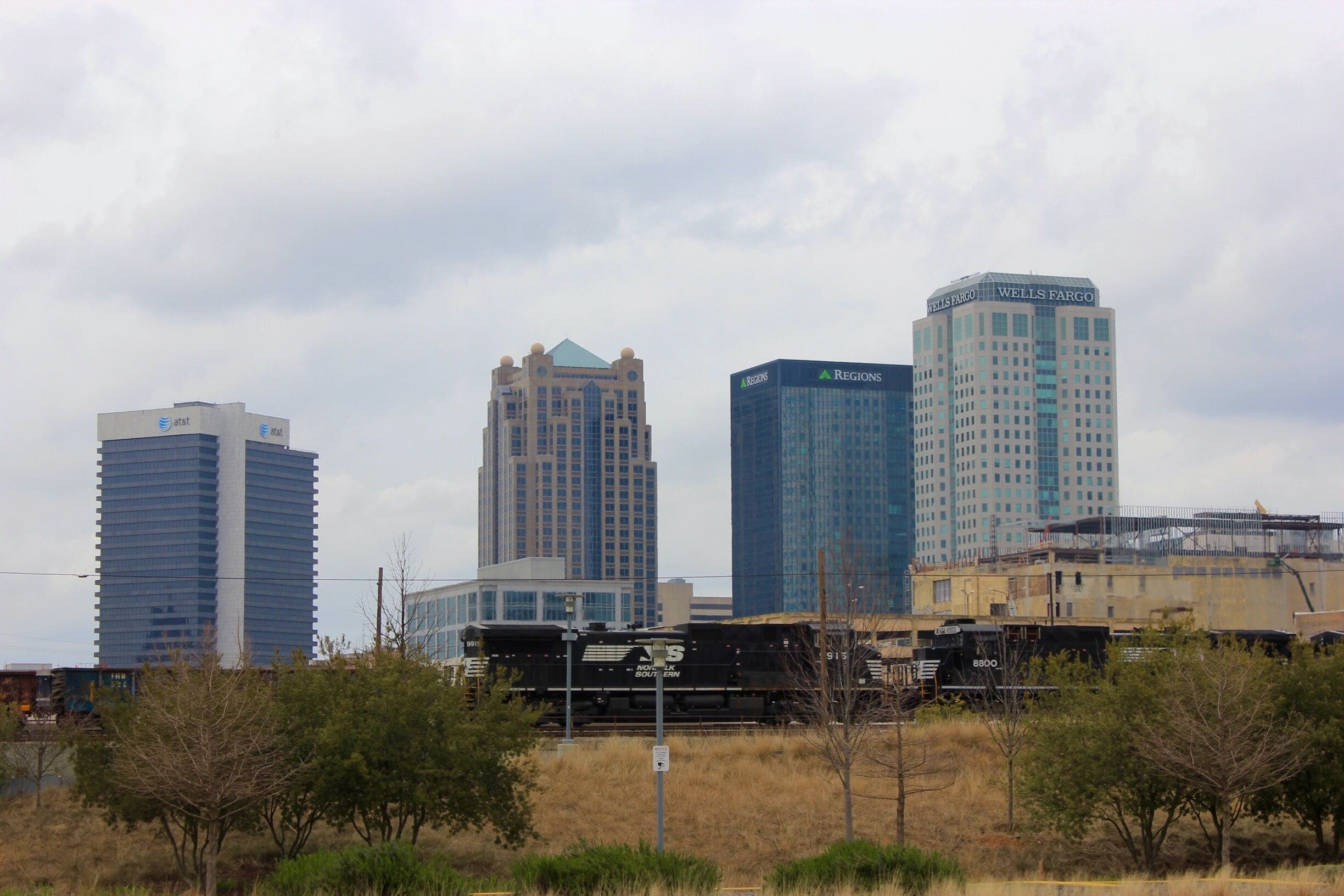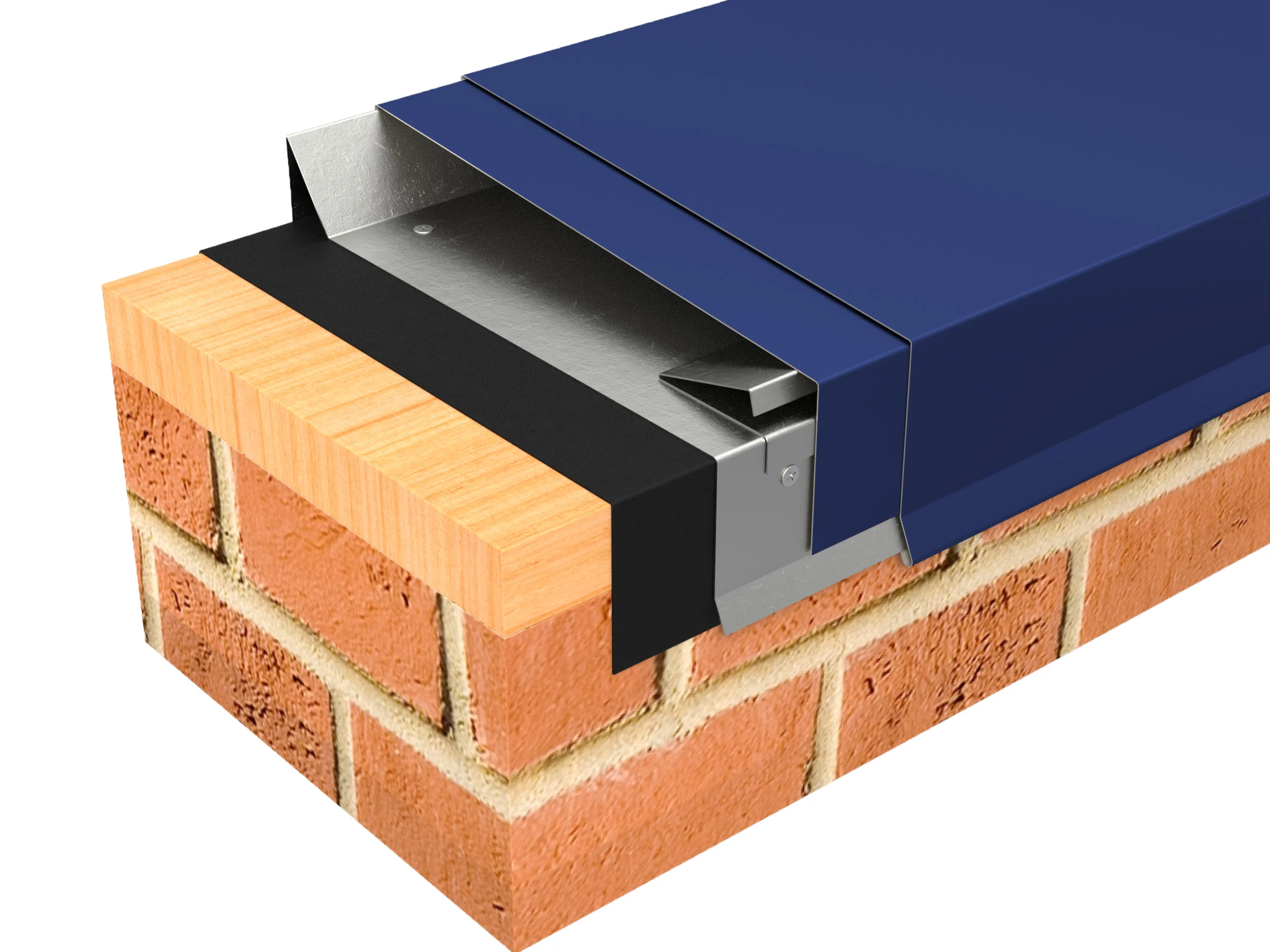
Commercial roof replacement and repair for Birmingham apartment complexes, condo buildings, and multifamily properties - Southside, Lakeview, and Jefferson County garden-style and mid-rise communities with resident communication and phased production. The plan is tailored to hours of operation, occupants, deliveries, rooftop equipment, interior sensitivity, and the owner's budget horizon.
Phased Production on Occupied Multifamily Buildings
Garden-style apartment communities in Hoover, Trussville, and Pelham typically have multiple buildings on a campus, which allows true phased production — we complete one building at a time, minimizing the disruption footprint for residents in unaffected buildings. On a 10-building community with 200 units, we schedule one building per phase and coordinate with the property manager to notify residents in the active building 48 hours before tear-off begins in their section.
Mid-rise multifamily buildings in Southside and Lakeview — where units stack vertically and residents above are directly affected by rooftop work — require a different approach. We section production in 3,000 to 5,000 sq ft horizontal zones with same-day dry-in, and we schedule the most intrusive work — mechanical tear-off of old roofing material — for the morning hours when occupancy above the active zone is typically lowest.
Birmingham's summer heat creates a resident-comfort obligation during HVAC curb work on multifamily buildings. We do not isolate HVAC units serving occupied floors during afternoon hours in June through September when external temperatures regularly exceed 90 degrees. HVAC curb work on occupied multifamily floors is scheduled for pre-dawn hours or is coordinated in a way that never leaves a unit without conditioning during occupied afternoon periods.
Debris Management in Neighborhood Zones
Tear-off debris above occupied housing units is managed differently than on a commercial building. We install perimeter containment and horizontal debris nets over balconies, breezeways, and pedestrian paths that are below active tear-off zones before production begins. Ground-level dumpsters are positioned away from building entry paths and covered during active tear-off to prevent wind-blown debris from exiting the container.
On Southside and Lakeview mid-rise buildings with street-facing facades and adjacent sidewalks, we install sidewalk protection scaffolding at the building perimeter before any tear-off begins. Pedestrian zones adjacent to an active multifamily reroof are treated as protected areas with physical barriers, not relying on signage alone.
Resident Communication and Property Management Coordination
We provide the property manager with a resident communication template — notice of upcoming work, production schedule by building or zone, HVAC maintenance windows, and contact information for production questions — 10 days before mobilization. The property manager distributes this communication; we support with a project-specific FAQ that addresses the most common resident questions about noise, parking impact, and balcony access during production.
For condo associations in the Southside and Homewood corridors where the building is owner-occupied and the association board is the decision-maker, we attend the pre-construction association meeting to present the production plan, answer questions directly from unit owners, and walk through the phasing map. Owner-occupied multifamily requires a different communication investment than rental properties managed by a professional PM firm.
Frequently asked questions
How do you handle residents who are home during the day during tear-off?
We notify residents 48 hours before tear-off begins above their units and give the production schedule so they know when the highest-noise work happens. For residents with specific sensitivities — medical equipment, shift-worker sleep schedules — we work with the property manager to identify accommodations. We cannot eliminate construction noise, but we can give residents accurate information about when it will be worst and how long it will last.
What happens to HVAC during a rooftop unit curb replacement on an apartment building?
We sequence curb work so that no unit is without cooling for more than two to three hours during any production window. On summer jobs with ambient temperatures above 85 degrees, we schedule HVAC curb work during early-morning hours and never during the peak afternoon heat. Each unit's HVAC is restored before we move to the next curb.
Can a Hoover garden-style apartment community be reroofed without temporarily relocating residents?
In virtually all cases, yes. Phased production by building allows residents in unaffected buildings to experience no disruption, while residents in the active building experience noise and minor staging impact for a week or less per phase. Relocation is only necessary if deck replacement exposes a floor that is structurally compromised — a condition we identify during the initial inspection, not after mobilization.
How is a condo building reroof funded and authorized differently from an apartment complex?
Condo association boards typically require a membership vote to authorize a capital project above a threshold set in the association bylaws. We can support the board with a written scope, capital budget, and phasing plan that meets the documentation requirements for a membership vote. We have worked through this process with Southside and Homewood condo associations and can advise on typical documentation formats.